
OEM Jewelry Manufacturing Process: From Design Brief to Bulk Production
OEM Jewelry Manufacturing Process: From Design Brief to Bulk Production
A strong jewelry manufacturer does more than produce pieces. The right partner helps reduce uncertainty, catch issues early, control quality, and move a concept toward reliable bulk production. At Salamander Jewelry, this process sits across our broader capabilities in materials, coating, quality assurance, ethical sourcing, and sustainability.
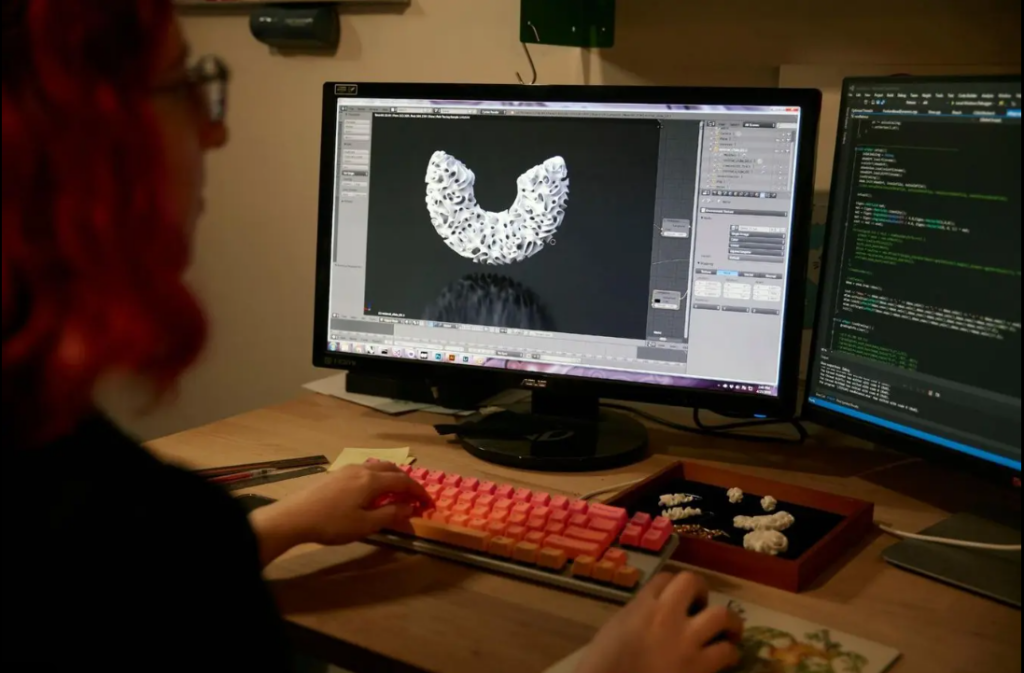
Step 1: Start with a Clear Design Brief
Every successful OEM project starts with clear input.
This may include:
- sketches
- reference images
- CAD files
- dimensions
- target price
- material requirements
- plating or coating preference
- stone details
- packaging requirements
- compliance expectations
The clearer the brief, the faster the project can move. It also reduces the risk of rework later.
This is especially important when the collection includes technical requirements such as:
- 316L Surgical Steel
- Titanium ASTM F136
- Sterling Silver
- special finishes
- anti-tarnish protection
- body jewelry tolerances
You can review our available base materials on the Materials page.
Step 2: Choose the Right Material for the Product
Not every design should be made in the same metal.
One of the first development decisions is whether the product is best suited to:
- 925 Sterling Silver
- 316L Surgical Steel
- Titanium ASTM F136
- Gold
- Brass
- or another suitable material from the range Salamander supports
This choice affects:
- look and feel
- production method
- durability
- pricing
- finishing options
- end-use performance
For example, a detailed fashion earring line may suit silver or brass-based production, while everyday body jewelry may be better suited to 316L steel or titanium depending on the specification.
Step 3: Align Finish and Surface Treatment Early
One of the most overlooked parts of product development is surface finishing.
Yet coating can affect both the commercial appeal and technical performance of the item. Salamander supports PVD Color Sputter & ARC, PVD Anti-Tarnish Clear Film, electroplating, and anodizing, depending on the material and product requirement.
This is why brands should discuss questions such as these at an early stage:
- Do you need gold-tone, rose gold-tone, rhodium-tone, or natural metal appearance?
- Does the product need stronger oxidation resistance?
- Is anti-tarnish protection important?
- Will the item be marketed for everyday wear?
- Do you need a premium polished look or a softer matte finish?
See more on our Coating page.
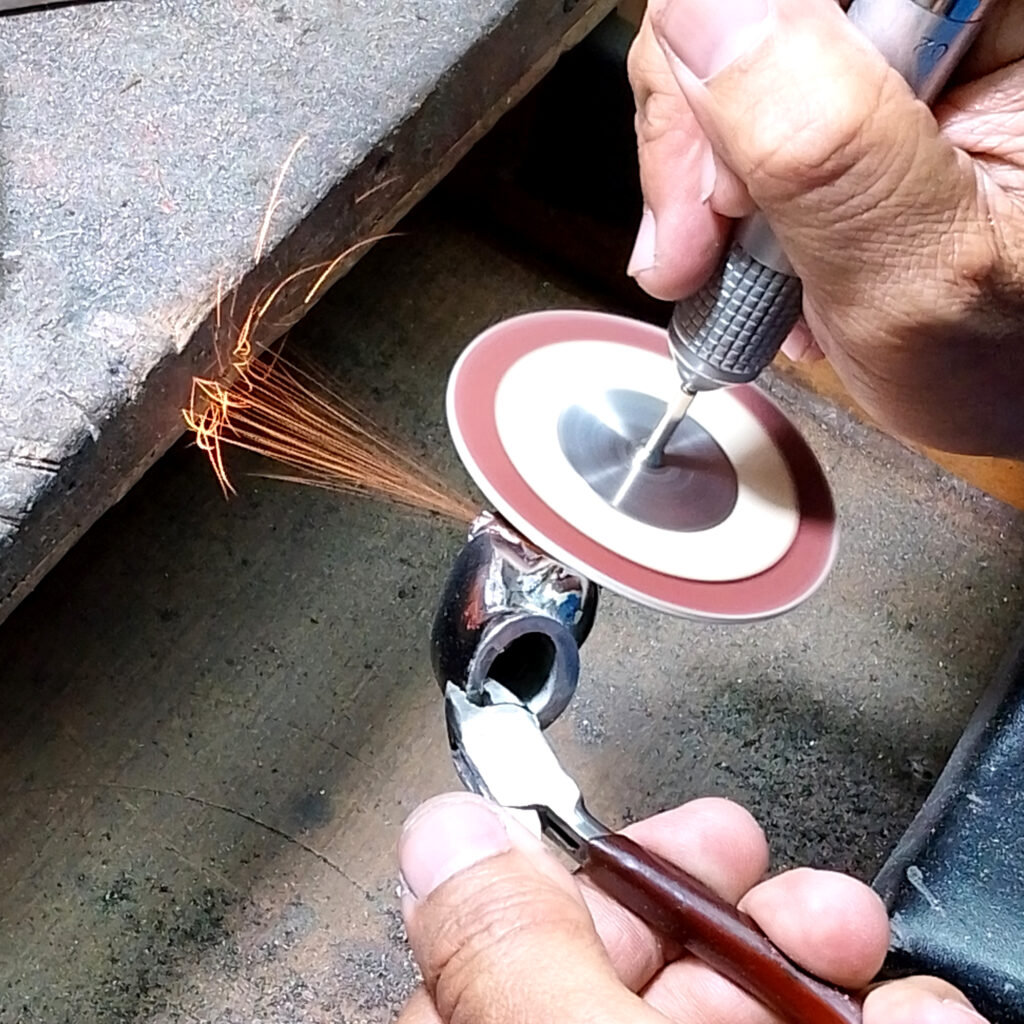
Step 4: Sampling and Technical Review
Before moving into bulk production, the design should be sampled and reviewed carefully.
This stage helps confirm:
- proportions
- construction
- assembly
- finish quality
- stone setting
- comfort
- wearability
- branding details
- overall visual approval
Sampling is also where practical issues often appear for the first time. For example:
- a part may be too delicate
- a finish may need adjustment
- the assembly method may need improvement
- the product may need to be optimized for production efficiency
Catching these issues during sample review is far better than discovering them after a full production run has started.
Step 5: Prepare for Consistent Bulk Production
A good sample is important. But a good OEM partner must also be able to repeat that standard across volume.
That is why production readiness matters:
- process control
- material consistency
- finishing control
- inspection points
- documentation
- communication between departments
Salamander’s Quality Control & Assurance page highlights the company’s use of rigorous quality systems, testing, process monitoring, and continuous improvement approaches such as TQM, QCC, and Kaizen. The site also notes testing such as hardness, corrosion resistance, and biocompatibility assessment as part of its wider quality structure.
For buyers, this means OEM success is not only about design capability. It is also about system capability.
Step 6: Confirm Documentation, Traceability, and Compliance
For many brands, especially international ones, supplier confidence depends on more than the product itself.
Buyers increasingly want visibility into:
- metal composition
- nickel testing
- biocompatibility
- material traceability
- MSDS or supporting documents
- ethical sourcing
- sustainability claims
Salamander’s Metal Certificates page explains that the company provides testing and documentation related to nickel release, composition, mercury, lead, cadmium, sterilization process results, and related product information records. The Ethical Sourcing page also explains Salamander’s commitment to monitored supply chains, international labor and sourcing standards, and SMETA-related ethical audit alignment.
Step 7: Build for Long-Term Partnership, Not Just One Order
The best OEM relationships improve over time.
Once the first product is approved and produced, the next advantages usually come from:
- better forecasting
- faster repeat development
- easier line extensions
- cleaner communication
- stronger consistency
- better cost control over time
This is where a full manufacturing partner adds more value than a simple production vendor.
Salamander’s website positions the company as a long-term manufacturer built around materials expertise, process capability, quality systems, sustainability, and responsible sourcing. The sustainability page also highlights ongoing environmental initiatives including recycled metals, water treatment and recycling, emissions reduction efforts, and solar energy use.
You can learn more here: Sustainability Achievements and Corporate Social Responsibility, Materials, and Coating.
Final Thoughts
A successful OEM jewelry project does not move from concept to production by chance. It happens through a structured process: clear design input, correct material choice, early finish decisions, disciplined sampling, controlled production, and reliable quality systems.
For brands planning to scale, this process is what protects both product quality and brand reputation.
If you are evaluating a new collection or looking for a stronger OEM jewelry manufacturing partner, Salamander Jewelry is ready to support the process from design brief to bulk production.