
Stainless Steel vs Sterling Silver for Jewelry Brands: Which Material Is Better for Your Collection?
Stainless Steel vs Sterling Silver for Jewelry Brands: Which Material Is Better for Your Collection?
Two of the most common options in modern collections are stainless steel and sterling silver. Both are proven materials. Both have clear advantages. But they serve slightly different business needs.
At Salamander Jewelry, we manufacture with both 316L Surgical Steel and 925 Sterling Silver, alongside other materials such as titanium, gold, brass, and more. That gives us a practical view of where each material fits best.
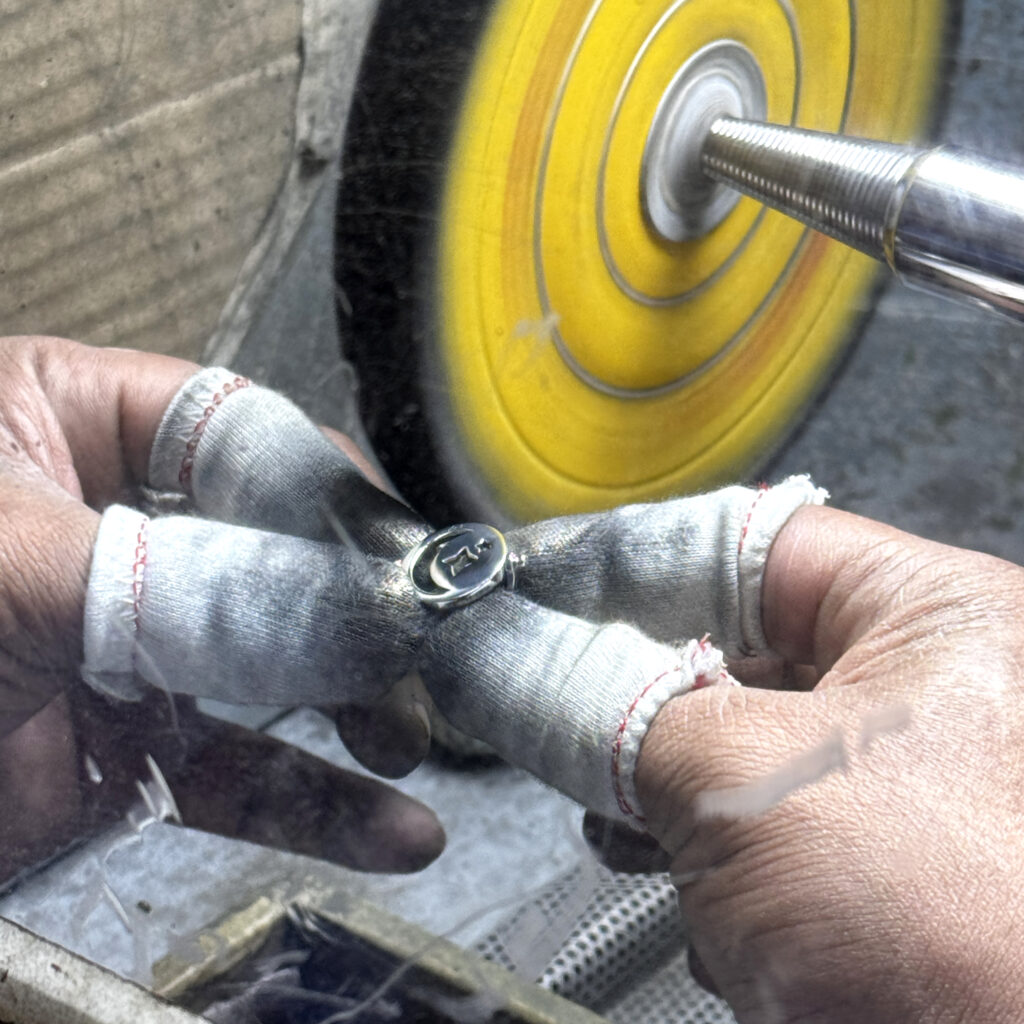
Sterling Silver: Classic, Familiar, and Premium-Looking
Sterling silver remains one of the most recognized and commercially accepted materials in jewelry.
As explained in our silver guide, sterling silver is made of 92.5% silver and 7.5% other metals, usually copper. That is why it carries the well-known 925 mark. It offers a premium appearance, strong customer familiarity, and excellent design flexibility for casting, detailing, polishing, and stone setting.
Sterling silver is often a strong fit for:
• brands with a more classic or elevated identity
• collections where precious metal perception matters
• detailed cast designs
• gift-oriented products
• higher perceived value positioning
Related reading: Sterling Silver Explained: What Buyers Should Know
Stainless Steel: Durable, Stable, and Practical
Stainless steel has become increasingly important for brands looking for a strong combination of wear performance, affordability, and modern styling.
Our site identifies 316L Surgical Steel as a key material due to its corrosion resistance, biocompatibility, and suitability for body jewelry and everyday wear. The stainless steel article on the Salamander blog also explains that 316L is widely accepted as the preferred grade for hypoallergenic jewelry use, provided it is properly manufactured and controlled.
Stainless steel is often a strong fit for:
• everyday jewelry
• waterproof or wear-focused lines
• minimalist and modern collections
• affordable luxury positioning
• brands that want stronger resistance to tarnish and surface wear
Related reading: Is Stainless Steel Hypoallergenic? What You Need to Know
Key Comparison 1: Durability
If daily wear is a major part of the product promise, stainless steel usually has the advantage.
316L steel is chosen for its strength, corrosion resistance, and long-term stability. Sterling silver, while premium and beautiful, is softer and more prone to surface marking over time. Silver can still perform very well, but it generally needs more care.
General rule:
• Steel = better for tough daily wear
• Silver = better for classic precious-metal appeal
Key Comparison 2: Tarnish and Maintenance
This is one of the biggest practical differences.
Sterling silver can tarnish over time because the copper in the alloy reacts with air and sulfur compounds. This is normal and does not mean the item is poor quality, but it does affect appearance. Salamander addresses this through finishing options and protective coatings, including PVD Clear Film.
Stainless steel, on the other hand, is generally chosen because it offers stronger resistance to tarnish and corrosion in normal wear conditions.
General rule:
• Silver = more maintenance, more precious-metal identity
• Steel = easier care, more stable for daily wear
Key Comparison 3: Skin Sensitivity
When customers ask whether a material is skin-friendly, manufacturing quality matters as much as the material name itself.
Salamander’s stainless steel blog explains that 316L is the preferred standard for hypoallergenic use because of its low nickel release and strong corrosion resistance. The company also highlights material testing, nickel testing, and biocompatibility documentation within its quality and certificates structure.
Sterling silver is also widely worn and accepted in jewelry, but sensitivity can vary depending on alloy composition, wear conditions, and user-specific reactions.
For buyers, the important point is this: material selection should always be supported by proper quality control, testing, and documentation.
Helpful pages: Quality Control & Assurance and Metal Certificates
Key Comparison 4: Price Positioning
From a commercial perspective, this is often where the decision becomes clearer.
Sterling silver usually supports a more premium perception, but it also ties the collection more directly to precious metal pricing and silver market movement. Stainless steel is often more stable for brands that need stronger cost control and broader everyday price accessibility.
General rule:
• Silver = stronger precious material story
• Steel = stronger cost control and broader accessibility
So Which One Is Better?
The honest answer is: neither is always better. It depends on the role the product plays in your collection.
Choose sterling silver when you want:
• a more traditional or premium material story
• stronger precious-metal perception
• intricate cast designs
• gifting or elevated presentation
Choose stainless steel when you want:
• durable everyday wear
• strong corrosion resistance
• lower maintenance
• better entry-price control
• a clean and modern product strategy
Many brands today do not choose only one. They build a mixed collection strategy:
• silver for premium hero items
• steel for everyday best-sellers
• coating options to expand finish variety across both categories
To explore both material families, visit our Materials page and Coating page.
Final Thoughts
For jewelry brands, the best material choice is not the one that sounds most premium on paper. It is the one that best fits the customer, the design, the pricing model, and the promise of the collection.
Sterling silver and stainless steel are both valuable materials. The right choice depends on what your brand is trying to achieve.
If you are reviewing a new collection and want help deciding which material fits best, Salamander Jewelry can support you with the right manufacturing and finishing direction from the start.