
Recycled Metals in Jewelry Manufacturing: What Brands Should Know Before Making the Shift
Recycled Metals in Jewelry Manufacturing: What Brands Should Know Before Making the Shift
The short answer is yes — but only when the process is supported by the right sourcing, control, and documentation.
At Salamander Jewelry, recycled materials are part of a broader approach to responsible manufacturing, alongside quality systems, environmental management, and monitored sourcing practices. You can learn more on our Sustainability Achievements and Corporate Social Responsibility page and our Ethical Sourcing page.
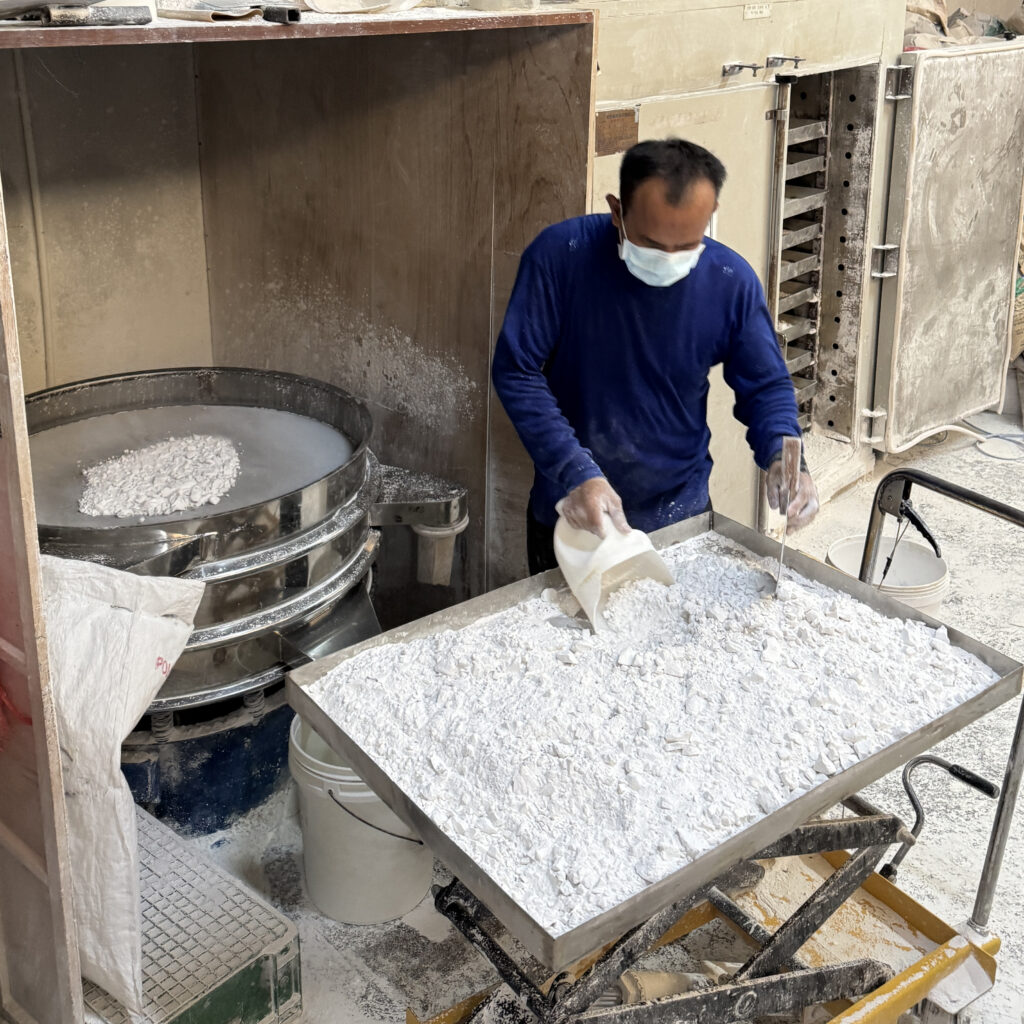
What Are Recycled Metals in Jewelry Manufacturing?
In jewelry manufacturing, recycled metals typically refer to precious metals such as silver or gold that have been recovered, refined, and reintroduced into production rather than newly mined for each use.
This does not mean “second-hand metal” in a casual sense. In a professional manufacturing context, recycled metal still needs to meet the required material specifications, production standards, and quality expectations for the final product.
For brands, the real question is not whether recycled metal is “old” or “new.” The real question is whether it is properly refined, traceable where required, and suitable for the intended product.
Why More Brands Are Asking for Recycled Metals
- There are several reasons more brands are exploring recycled silver and gold:
stronger sustainability positioning - pressure to reduce environmental impact
- customer interest in responsible sourcing
- alignment with wider ESG and supply chain goals
greater interest in traceability and responsible manufacturing
For some brands, recycled metals are part of a broader long-term shift. For others, they are a specific requirement for selected collections only. Either way, the decision is usually connected to both brand values and market expectations.
Does Recycled Mean Lower Quality?
This is one of the biggest misconceptions.
When recycled metal is properly refined and controlled, it should not automatically mean lower quality. In professional jewelry manufacturing, the focus should remain on material specification, consistency, process control, and testing — not simply on whether the source was virgin or recycled.
What matters is how the material is handled within the manufacturing system, how it is verified, and whether it meets the required production standards.
That is why recycled metal should be discussed together with quality control, supplier standards, and technical documentation. You can explore more about Salamander’s systems on our Quality Control & Assurance page.

Documentation and Traceability Matter
For brands considering recycled metals, documentation is often just as important as the material itself.
Questions that usually matter include:
- what type of recycled metal is being used
- whether documentation can support the claim
- how the material is controlled during production
- whether the supply chain is monitored appropriately
- how sustainability claims are communicated responsibly
This is where many superficial sustainability claims become weak. A recycled metal story needs to be supported by actual systems, not just marketing language.
For more on Salamander’s documentation approach, see our Metal Certificates and Reports & Publications pages.
Why This Matters for Jewelry Brands
For brands, recycled metals are not only a sourcing choice. They can also affect:
- collection positioning
- customer communication
- compliance and internal documentation
- long-term brand credibility
This is especially true when sustainability is part of the brand story. If a recycled metal claim is made, buyers increasingly expect that it can be explained and supported properly.
Recycled Metals as Part of a Bigger Manufacturing Picture
Recycled gold or silver should not be viewed in isolation. It works best when it is part of a wider manufacturing approach that also includes:
- controlled sourcing
- strong quality systems
- responsible process management
- environmental awareness
- realistic and supportable claims
That is why brands often evaluate recycled metals together with the broader manufacturer, not as a standalone material decision.
Final Thoughts
Recycled metals can be a strong choice in jewelry manufacturing, but only when the decision is supported by proper systems, documentation, and material control. For brands, the value lies not just in using recycled silver or gold, but in being able to do so responsibly and credibly.
If you are evaluating recycled materials for an upcoming collection, Salamander Jewelry can help you review the practical considerations from both a manufacturing and sourcing perspective.
Final Thoughts
For jewelry brands, the best material choice is not the one that sounds most premium on paper. It is the one that best fits the customer, the design, the pricing model, and the promise of the collection.
Sterling silver and stainless steel are both valuable materials. The right choice depends on what your brand is trying to achieve.
If you are reviewing a new collection and want help deciding which material fits best, Salamander Jewelry can support you with the right manufacturing and finishing direction from the start.