
From Factory to Finish: Why In-House Manufacturing Matters in Jewelry Production
From Factory to Finish: Why In-House Manufacturing Matters in Jewelry Production
This matters more than many buyers initially realize.
A manufacturer with strong in-house capability is not simply making products. It is controlling more of the process, reducing dependency on fragmented subcontracting, improving consistency, and creating better conditions for quality, communication, and long-term repeatability.
At Salamander Jewelry, in-house production is part of how the company supports customers across OEM development, materials, coating, quality assurance, and responsible manufacturing. You can learn more on our Manufacturing Processes page.
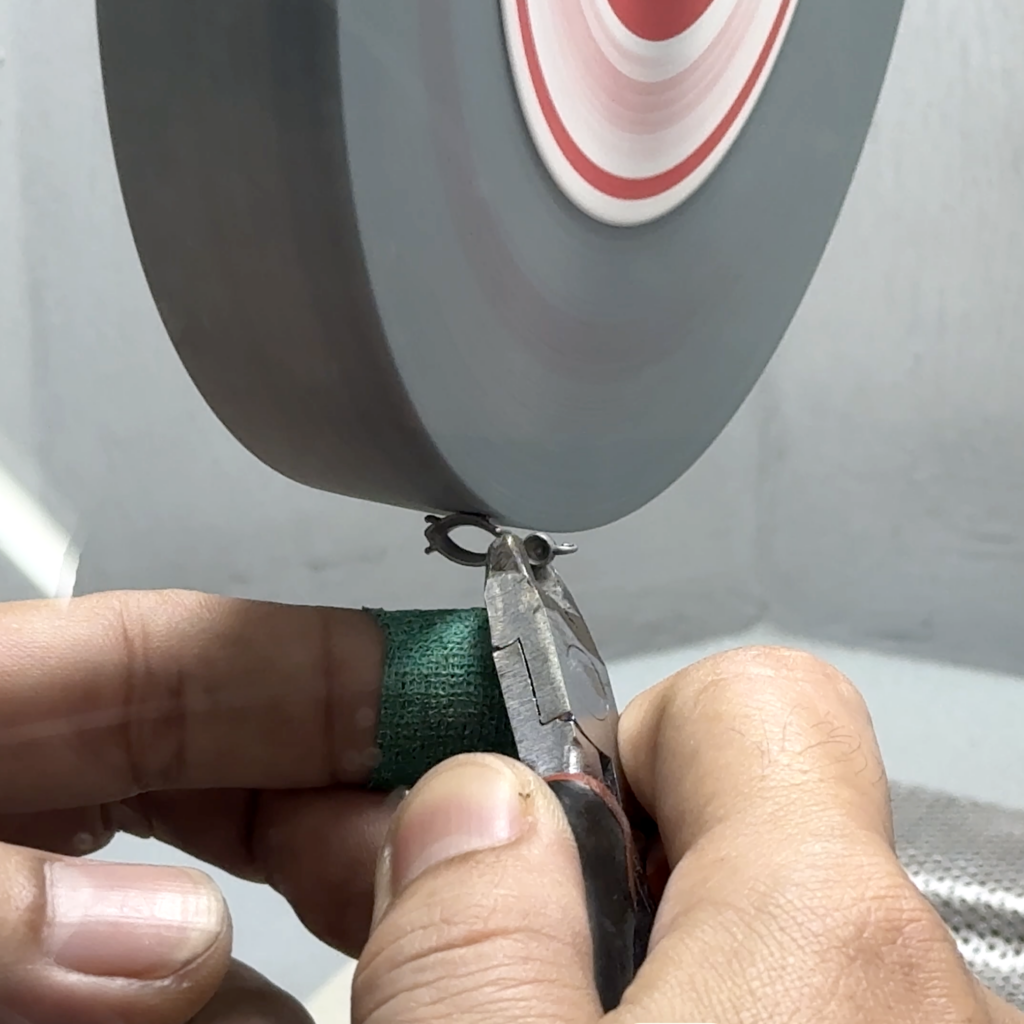
What In-House Manufacturing Really Means
In-house manufacturing means that more of the production stages are controlled directly by the company rather than outsourced across multiple unrelated suppliers.
This can include areas such as:
- product development
- casting
- finishing
- coating
- quality control
- documentation
- production coordination
The more integrated the manufacturing structure is, the easier it becomes to maintain alignment between design intent, process control, and final output.
Why This Matters to Jewelry Brands
For a brand, the product is never only the product. It is also:
- delivery consistency
- quality stability
- repeatability across orders
- communication efficiency
- finish control
- issue resolution speed
- confidence during scaling
A fragmented manufacturing chain makes all of these harder. The more parties involved, the greater the risk of variation, miscommunication, and delayed problem-solving.
An integrated factory structure helps reduce this risk.
Better Process Control
One of the biggest advantages of in-house manufacturing is process control.
When multiple stages are connected internally, it becomes easier to monitor:
- material handling
- product flow
- finish quality
- plating and coating consistency
- inspection timing
- correction of problems before shipment
This does not mean every issue disappears. It means the company has more direct control over the process and more ability to respond when adjustments are needed. That is one of the reasons integrated manufacturing matters so much for serious buyers.
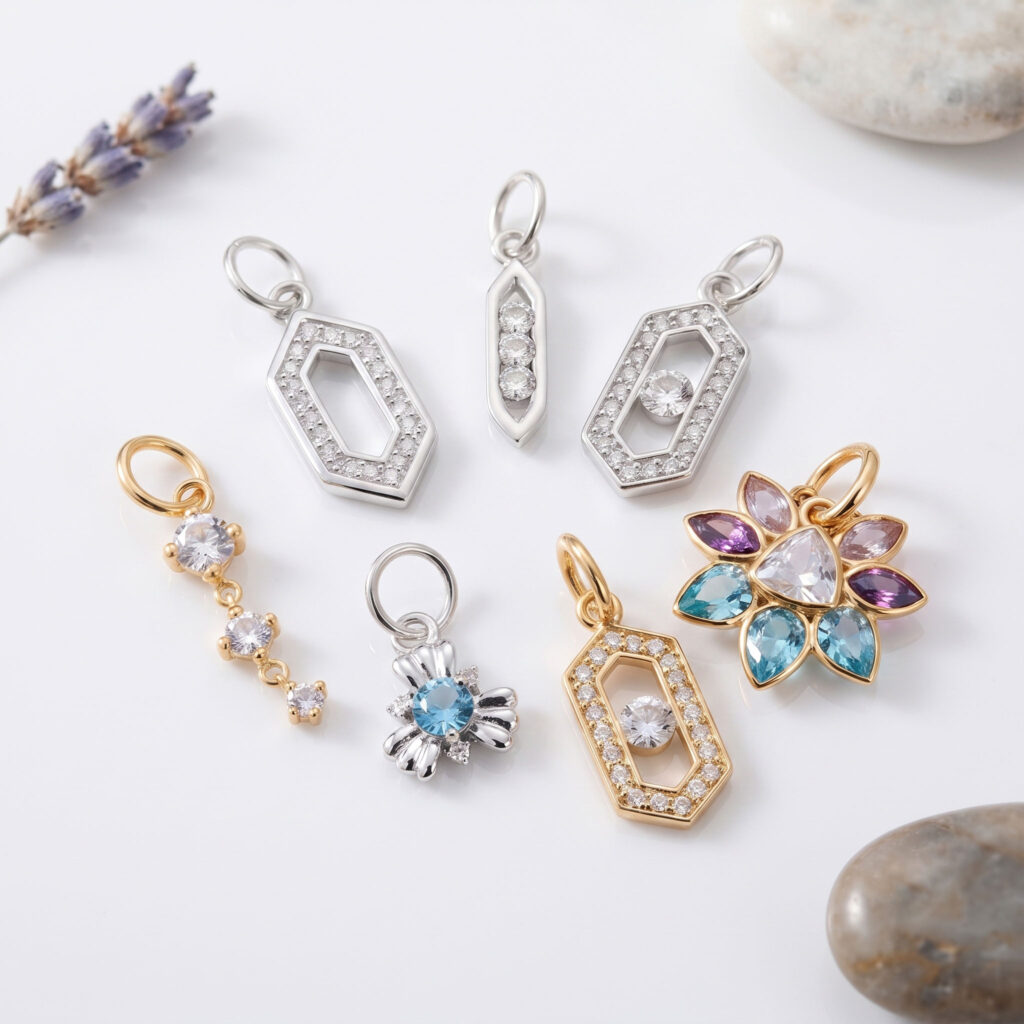
Better Finish Consistency
Finishing is one of the easiest places for inconsistency to show up. A design can be good, but if the polishing, plating, or coating varies from one batch to another, the end customer will still experience that as a product problem.
When more finishing stages are controlled in-house, consistency becomes easier to manage.
At Salamander, this is especially relevant in areas such as Coating, plating control, and finish-related quality assurance.
Faster Feedback Between Departments
In-house manufacturing also improves communication between departments that need to work together closely.
For example:
- product development
- production planning
- coating
- inspection
- customer support
When these functions are linked more directly, feedback moves faster. That can help reduce rework, clarify technical decisions earlier, and improve overall production flow.
This is especially important in OEM projects, where a design often evolves through discussion, review, sampling, and production refinement. You can also explore Salamander’s OEM Services page for more information.
Why It Matters Beyond the Sample Stage
Many suppliers can make a good sample.
The real challenge begins when the product needs to be repeated consistently across production volume, with the same finish, the same build quality, and the same visual outcome.
This is where in-house manufacturing matters most. It strengthens the link between:
- sample approval
- production execution
- inspection
- final shipment
For buyers, that means less reliance on luck and more reliance on systems.
In-House Manufacturing and Long-Term Partnership
For brands planning to grow, the value of in-house manufacturing becomes even more important over time.
A more integrated manufacturing partner can support:
- line extensions
- repeat orders
- finish variations
- new material options
- stronger internal coordination
- more stable long-term cooperation
In other words, in-house capability is not only about making better products today. It is about creating a better foundation for future production.
Final Thoughts
In-house manufacturing matters because it improves control, consistency, communication, and repeatability. For jewelry brands, these are not technical details they are part of what protects product quality and brand reputation.
When evaluating a supplier, it is worth looking beyond the product sample and asking how the manufacturing system itself is structured.
That is often where the biggest difference is found.