
From AI Concept to Manufacturable Jewelry: What Brands Need to Know Before Sending AI Designs to a Factory
From AI Concept to Manufacturable Jewelry: What Brands Need to Know Before Sending AI Designs to a Factory
Brands can now generate multiple design directions in minutes, explore different shapes and stone arrangements, visualize new collections and communicate concepts without first producing detailed hand sketches.
For product development, that can be extremely useful.
But there is one important distinction:
A piece may look completely convincing on screen while containing details that are difficult, expensive or sometimes impossible to manufacture reliably.
For brands developing custom jewelry, the real work begins when that visual concept has to become a physical product.
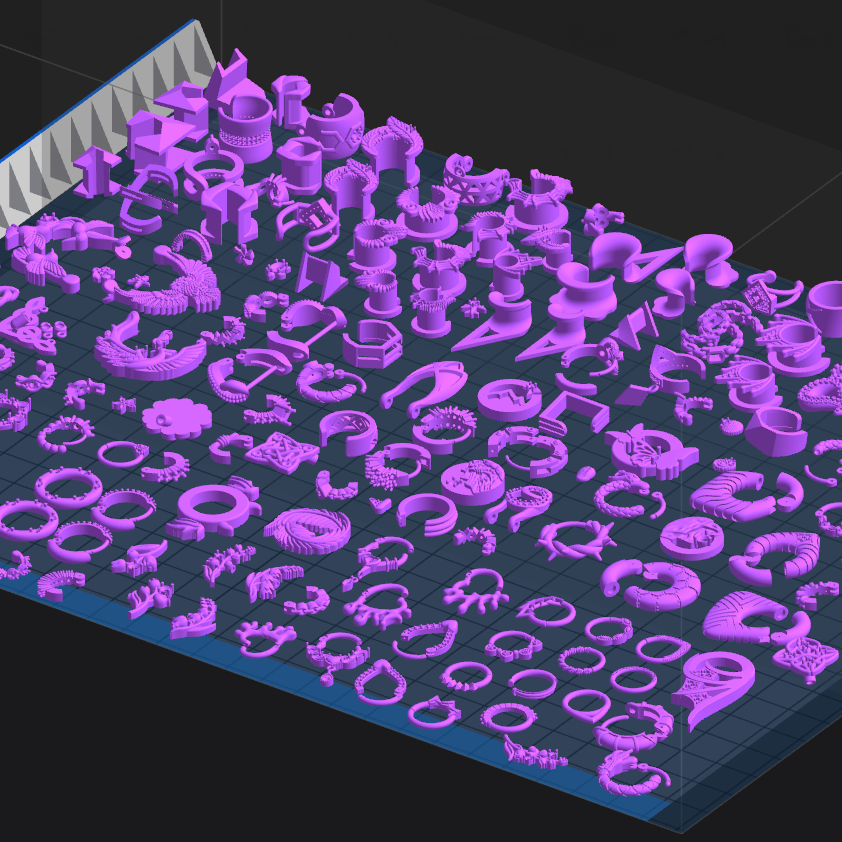
Why AI Designs Need Manufacturing Review
AI understands appearance far better than manufacturing.
It may generate an attractive ring, pendant, earring or bracelet without considering how the components will actually be cast, machined, assembled, polished or stone-set.
That is why the first step after choosing an AI concept should be a technical review with an experienced jewelry manufacturer.
1. Thickness and Proportion
AI frequently creates extremely fine sections because they look elegant in an image.
In production, however, metal requires enough structure to survive manufacturing, polishing, assembly and everyday use.
A section that is too thin may:
– deform during production
– become fragile after polishing
– create casting problems
– fail to provide enough support for stones
– feel too light or weak in the finished product
The opposite issue can also occur.
A product may be technically strong but unnecessarily heavy, increasing material cost and making the jewelry uncomfortable to wear.
This is where manufacturing engineering becomes important.
Different Manufacturing Processes -such as casting, CNC machining, laser cutting and other techniques – have different technical limitations and advantages.
2. Stone Settings That Look Good but Cannot Work
AI-generated jewelry often produces visually impressive stone arrangements.
The problem is that the image may not include enough metal to physically secure the stones.
Typical issues include:
– extremely small or nonexistent prongs
– stones placed too close together
– stones positioned over unsupported areas
– insufficient depth for the stone
– settings that cannot be accessed during production
The setting method may therefore need to change while preserving the overall visual direction.
A successful manufacturer should not simply reject the concept. The objective should be to understand what makes the design attractive and find a practical construction that maintains that character.
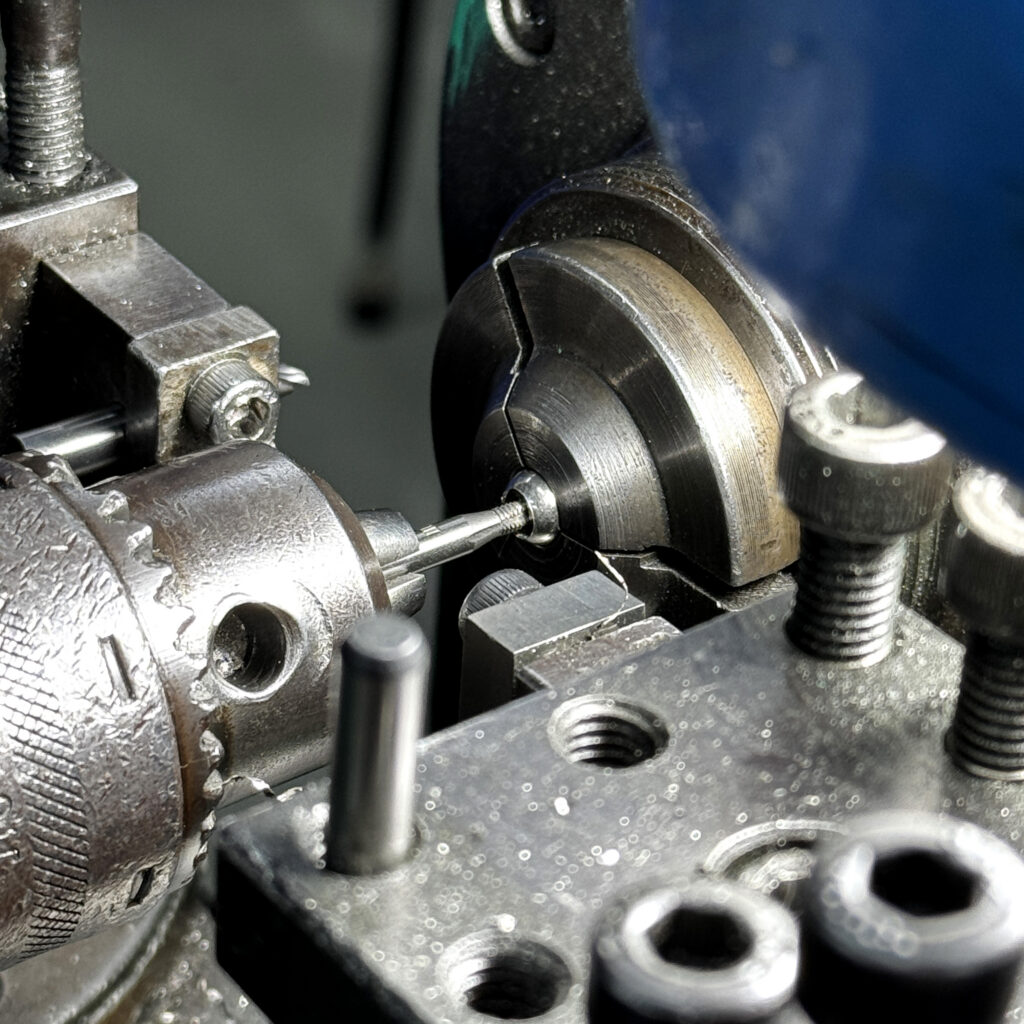
3. Connections, Clasps and Moving Parts
AI is particularly weak at understanding hidden mechanical relationships.
A bracelet clasp may look seamless without showing how it opens.
A pendant may appear connected to a chain even though there is no practical attachment point.
An earring may include a hinge or post that has nowhere to move.
Jewelry engineering needs to define:
– how components connect
– where movement is required
– how components will be assembled
– whether parts can still be assembled after coating or stone setting
– whether the connection is strong enough for repeated use
These small details often determine whether a product feels premium or problematic.
4. The Material Changes the Design
A design cannot always be transferred unchanged between different metals.
Gold, silver, stainless steel and titanium behave differently during production.
They can require different approaches to:
– wall thickness
– casting
– machining
– stone setting
– polishing
– welding
– surface finishing
That is why material selection should happen early in development.
Brands can review the available options on our Materials page, including gold, sterling silver, ASTM F136 titanium, surgical steel and other materials used across our production.
AI Image, CAD and Production-Ready Design Are Not the Same Thing
These stages should be treated differently.
AI Concept
Communicates the visual idea.
CAD Development
Converts that idea into measurable three-dimensional geometry.
Production Engineering
Determines whether that geometry can actually be manufactured, assembled, finished and reproduced consistently.
Even a technically correct CAD file may still require manufacturing changes.
For example, tolerances between two components may look correct digitally but become too tight after polishing or coating.
A manufacturer therefore needs to evaluate the design in relation to the complete production process — not only the CAD geometry.
Think About the Finish Early
Finishing is another area AI cannot fully evaluate.
A polished steel design with PVD coating, for example, needs to be developed with the eventual surface treatment in mind.
Certain areas may become difficult to polish after assembly. Stone setting may need to happen before or after coating depending on the construction. Contact surfaces may need different consideration from decorative surfaces.
Salamander operates in-house Coating capabilities including PVD color finishes, anti-tarnish clear film and electroplating, allowing finishing requirements to be considered during product development rather than only at the end.
What Should a Brand Send to the Manufacturer?
An AI image is a useful starting point, but the more information provided with it, the better.
Ideally, include:
– target dimensions
– target material
– stone type and approximate sizes
– preferred finish
– target weight if relevant
– reference products or construction details
– target price level
– expected order quantity
– elements of the design that must not change
It is equally important to explain which areas can change.
If the silhouette is critical but the stone-setting method is flexible, tell the manufacturer.
This gives the technical team room to solve manufacturing problems without losing the design identity.
Sampling Still Matters
AI may accelerate ideation, but it does not eliminate physical development.
A sample allows both the brand and manufacturer to assess:
– actual size
– weight
– comfort
– balance
– stone appearance
– polishing
– color
– assembly
– clasp or hinge function
– overall feel when worn
These details are difficult to judge accurately from a screen.
Physical validation before production is also closely connected to Quality Control & Assurance, where measurements, finishing, construction and other production requirements can be checked against the approved standard.
The Best Use of AI Is Faster Communication
AI should not replace jewelry designers, engineers or manufacturers.
Its strongest role is earlier in the process.
It allows brands to communicate an idea more clearly and explore more creative directions before investing in development.
That can make product development faster and more focused.
But a visually strong AI concept still needs the experience of people who understand metal, production methods, tolerances, stone settings and real-world wear.
From AI Idea to Real Jewelry
At Salamander Jewelry, we manufacture custom jewelry for brands using a broad combination of production technologies, materials and finishing capabilities.
Our goal during development is not to reproduce every pixel of an AI image blindly.
It is to identify what makes the concept successful and translate it into jewelry that can be manufactured consistently.
If you already have an AI concept, sketch, CAD design or reference collection, contact our team to discuss the next stage of development.
AI can create the idea. Manufacturing expertise is what turns it into a product.