
Why Jewelry Sampling Matters: What Brands Should Validate Before Bulk Production
Why Jewelry Sampling Matters: What Brands Should Validate Before Bulk Production
The dimensions may technically be correct, but the piece may feel too heavy.
A clasp may work but feel awkward.
A stone may fit the setting but not create the visual effect the brand expected.
The surface finish may appear different once the piece is polished or coated.
This is why sampling remains one of the most important stages in custom jewelry development.
For brands working with an OEM jewelry manufacturer, the purpose of a sample is not simply to see whether the factory can make the product.
It is to establish the physical standard that bulk production should follow.
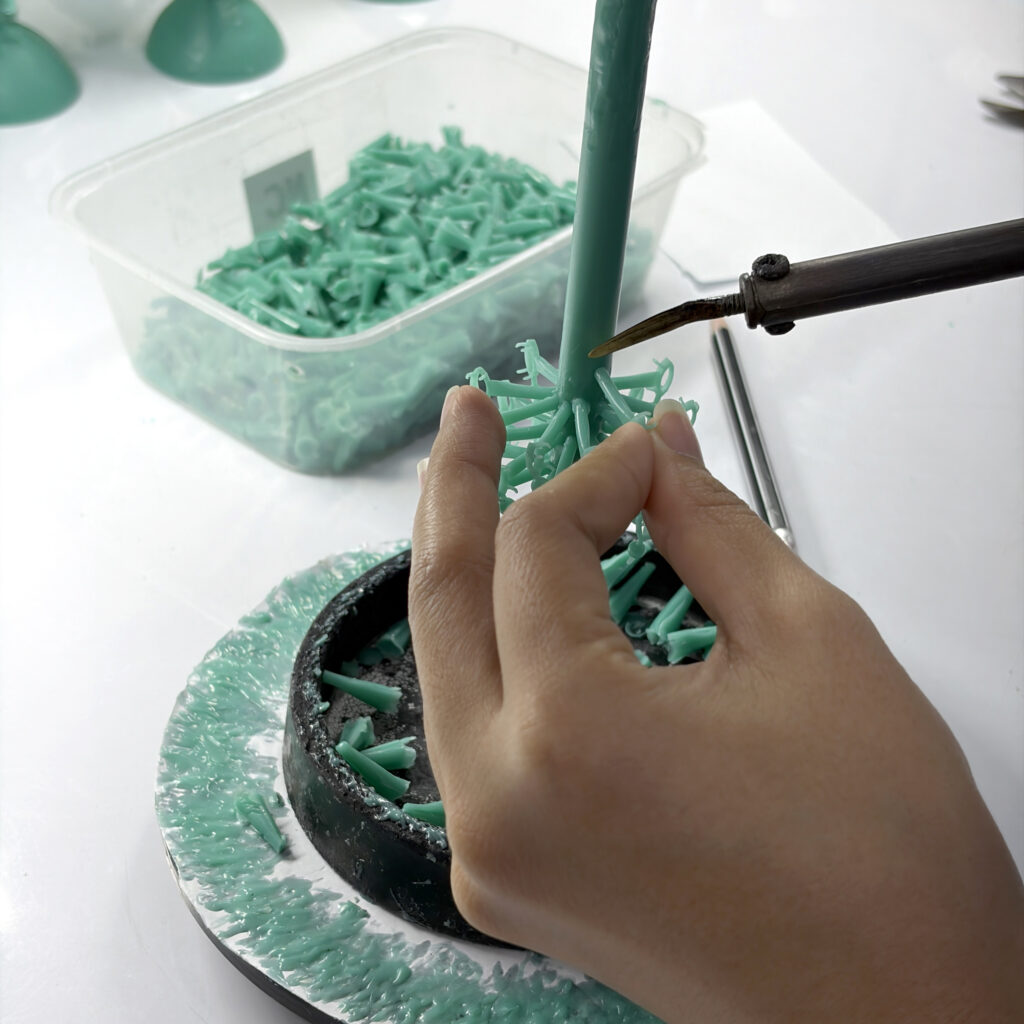
A Sample Tests More Than Appearance
Product development typically begins with drawings, reference images, dimensions or CAD files.
These provide valuable information, but jewelry is a physical product.
The wearer experiences:
- weight
- balance
- texture
- movement
- proportion
- comfort
- mechanical function
None of these can be fully evaluated from a rendering.
A well-managed sampling stage gives both the brand and manufacturer an opportunity to identify problems before they become production problems.
1. Check the Real Size and Proportion
Dimensions that appear correct on a computer screen can feel very different once the product is held or worn.
A 24 mm pendant may visually dominate a chain more than expected.
An earring may appear elegant in CAD but become too large for comfortable daily wear.
A ring top may look balanced digitally but appear oversized once placed on the hand.
During sampling, brands should review:
- overall dimensions
- visual proportion
- relationship between components
- scale of decorative elements
- how the piece looks when worn
Small adjustments made at this stage can significantly improve the final product.
2. Validate Weight and Comfort
Weight is particularly important for earrings, bracelets and larger pendants.
A design can technically function while still being uncomfortable.
Material choice and construction method both affect weight.
Salamander works across a variety of jewelry materials, including stainless steel, titanium, sterling silver and solid gold. Each behaves differently and can require different approaches to thickness and construction.
Sampling allows the development team to adjust areas that can be hollowed, reduced or reinforced while maintaining the intended appearance.
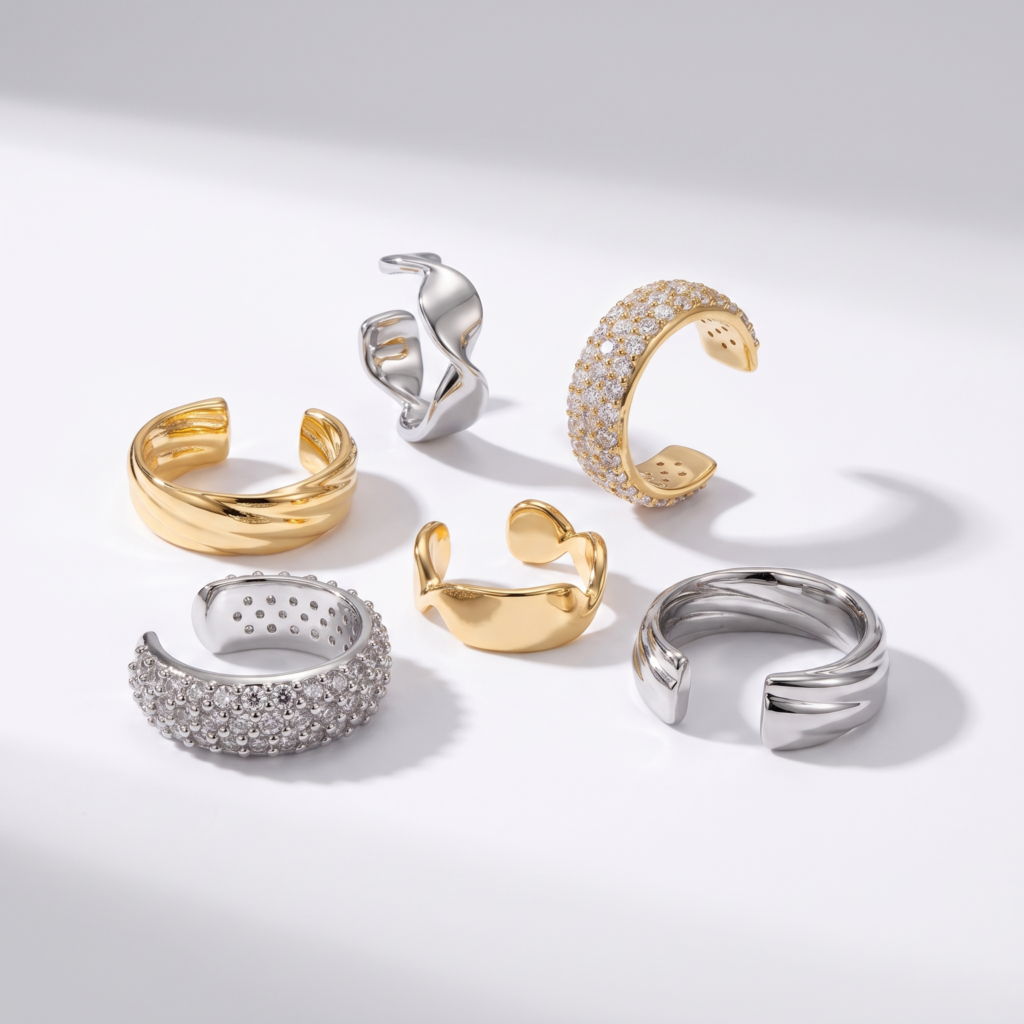
3. Test Mechanical Functions
Whenever jewelry contains a mechanical element, the sample needs to be physically tested.
Examples include:
- clickers
- hinges
- clasps
- threaded components
- push mechanisms
- removable charms
- moving links
A mechanism should not merely open and close.
It should feel controlled, secure and appropriate for the intended product positioning.
Tolerances are especially important here.
Too loose and the product can feel inexpensive or insecure.
Too tight and it may become difficult to operate.
Salamander’s manufacturing capabilities include precision processes such as CNC Swiss-type machining, lathe and milling, drilling, tapping, laser welding and laser cutting, allowing mechanical components to be developed with controlled dimensions.
4. Review Stone Setting
Stone size can influence the entire construction of a jewelry piece.
During sampling, confirm:
- actual stone diameter
- stone depth
- spacing
- alignment
- setting security
- how much metal is visible
- whether the sparkle and overall appearance meet expectations
A change of only a fraction of a millimeter can alter the look of a delicate jewelry design.
The sample should therefore become the visual and technical reference for the final stone-setting standard.
5. Evaluate Surface Finish
Polishing is not merely cosmetic.
The polishing process can change edges, textures and dimensions.
A product that is polished too aggressively may lose fine detail or become visually softer than the approved design.
If a design intentionally includes texture, engraved detail, defined edges or sculptural surfaces, those characteristics should be reviewed carefully during sampling.
The final sample should show exactly how much polishing is appropriate.
6. Check the Final Color and Coating
If the product includes plating or PVD, the coated sample should be reviewed whenever possible.
Different base materials, surface preparations and coating systems can produce slightly different visual results.
Brands should evaluate:
- color
- gloss level
- coverage
- consistency
- interaction between stones and finish
- appearance under different lighting
Our Coating capabilities include PVD color finishing, PVD anti-tarnish clear film and electroplating, allowing product development and finishing to be coordinated as part of the manufacturing process.
7. Confirm Branding and Marking
Many brands add:
- logos
- hallmarks
- material marks
- identification numbers
- decorative engravings
The sample is the right stage to confirm their position and size.
A logo that appears appropriately sized in CAD may become too dominant on a small piece of jewelry.
Laser marking can produce highly precise results, but placement still needs to be considered together with polishing, assembly and wear.
8. Inspect the Product as Your Customer Will
One useful way to review a sample is to temporarily stop thinking like the designer.
Look at it as the customer.
Ask:
- Does it feel premium when picked up?
- Are the edges comfortable?
- Does the clasp feel secure?
- Is the jewelry easy to put on?
- Does the stone arrangement look clean?
- Does the finish match the expected retail positioning?
- Would you be comfortable selling this product under your brand name?
This is often where issues appear that are not visible in technical drawings.
Approved Samples Become Production Standards
Once the design is approved, the sample has another important role.
It establishes the benchmark for bulk production.
Production teams and Quality Control & Assurance can then compare production pieces against the approved dimensions, finishing, assembly and appearance.
This reduces ambiguity.
Instead of discussing whether a texture should be “slightly stronger” or a polish should be “less shiny,” both sides have a physical reference.
Do Not Rush Sampling to Save a Few Weeks
Sampling adds time to product development.
But skipping or rushing this stage can create far more serious delays later.
A problem found in one sample is relatively easy to correct.
The same problem found after hundreds or thousands of pieces have been produced can involve:
- rework
- replacement
- additional material
- delayed launches
- rejected shipments
- damaged customer relationships
The sample stage should therefore be viewed as risk reduction rather than unnecessary development time.
From Sample Approval to Production
At Salamander Jewelry, product development and manufacturing are supported by in-house capabilities covering multiple manufacturing processes, materials, surface finishes and quality-control methods.
Brands developing a new collection should use sampling to answer one essential question:
Are we approving a design on a screen — or are we approving the actual product we want customers to receive?
If you are preparing a new custom jewelry collection, contact Salamander Jewelry to discuss development, sampling and OEM production.